Custom
homes.
A custom home is a set of decisions that begins before the lot is cleared: where the house sits, how high, and how it meets wind, water and the neighbors. This service suits owners building on a new lot or replacing a house that no longer works. With Mike, you reach the contractor from the first plan review to the final walk.
What the work involves
Building new in South Florida usually means site work, a foundation engineered for the soil, a concrete block and tie-beam structure, roof framing and an envelope designed for wind-driven rain. Systems, windows, doors and interior finishes follow.
On a waterfront lot the seawall or canal wall is part of the site conditions, and the finished floor height can be set by flood rules and not by preference.
- Site work and engineered foundation
- Block, tie-beam and roof structure
- Impact windows and doors
- Systems and interior finishes
Where it goes wrong in South Florida
Elevation, setbacks, height limits and flood zone requirements decide the size and shape of the house before the design is finished. Impact-rated openings and engineered connections are often required in coastal wind areas, and they affect how the house looks. Check with the city before you design.
Selections drive the schedule. Windows, doors, roof systems and structural steel can have long lead times, and orders placed late can hold the whole structure. Owners who design without a builder often return to the drawings after pricing.
How Mike approaches it
Mike is preconstruction-led and personally manages each project, so the plans are tested against cost, structure and the permit process before construction starts. You deal with the contractor responsible for the house from the first meeting to the closeout.
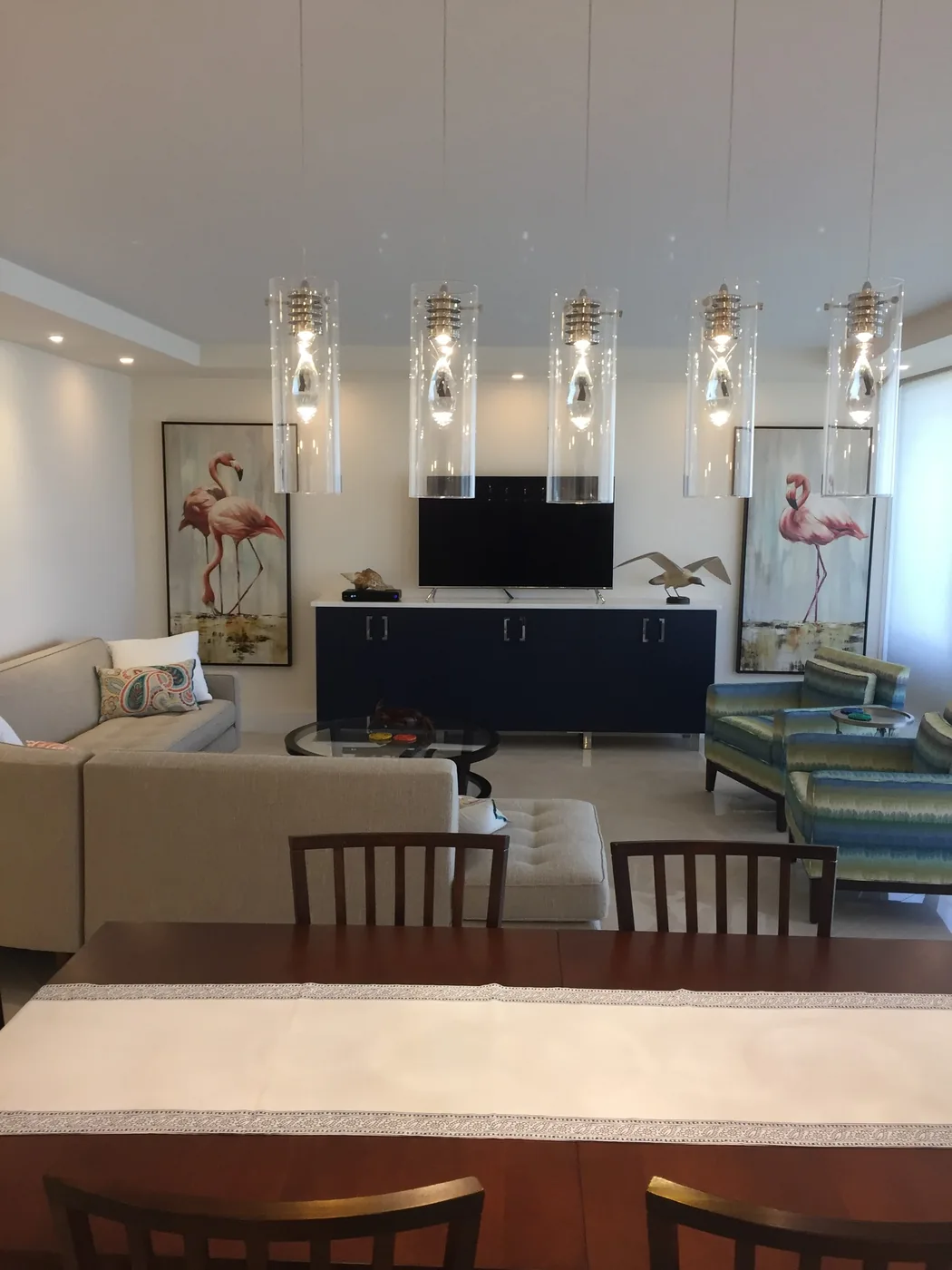
Johnson has followed one house through construction, from the job-site sign and block walls to concrete poured beside the canal and the finished living room, kitchen and bath. The site shows it as a new house, start to finish.
What to decide early
Decide first whether to renovate or rebuild; the honest answer often comes only after a look at the lot, the flood zone and the structure. Choose the architect and the builder together and not in sequence. Decide how much of the interior you want fixed in the drawings and how much you want left to selections.
- Renovate or rebuild
- Architect and builder chosen together
- Floor height and view
How the work goes
- 01
Consultation
A private conversation about the lot, the way you live and what the house should do for you.
- 02
Preconstruction
Mike studies the site and the rules with your architect, develops the scope and tests the plan against a budget.
- 03
Permitting and selections
Engineered drawings go to the city while long-lead windows, doors, roofing and structural items are ordered.
- 04
Construction
Site work, foundation, structure and dry-in come first, then the systems and interior finishes.
- 05
Closeout
A final walk of the house and grounds, punch list items completed and a clear handover of how the house operates.
Questions owners ask
Should I hire the architect or the builder first?+
Ideally together. A builder in the room early tests drawings against the lot, the structure and the budget before they are final, which reduces redesign. Mike joins at preconstruction for that reason.
Can you build on a waterfront lot?+
Waterfront lots add seawall condition, flood elevation, setbacks and sometimes dock rules, each with its own review. Johnson's new-house project included concrete work beside a canal wall. Check with the city before you design.
Should I rebuild or renovate?+
There is no general answer. It depends on the structure, the flood rules, the footprint you already have and what you want. The question is part of the first consultation, before any drawings are paid for.
What does a custom home cost?+
Scope and price are set together in a private consultation. Lot conditions, structure, window and door packages and the level of interior finish drive the figure, and none can be known before the site and the plans are reviewed.
Who will be on site and in charge?+
Mike personally manages a limited number of projects, and clients deal with him directly. His state credential is Florida Certified General Contractor CGC1517429.