Design-build
or general contractor
Two structures dominate high-end residential work, and the choice shapes who you hire first, who you rely on for advice, and where the contracts sit. Here is how each works and when each tends to fit.
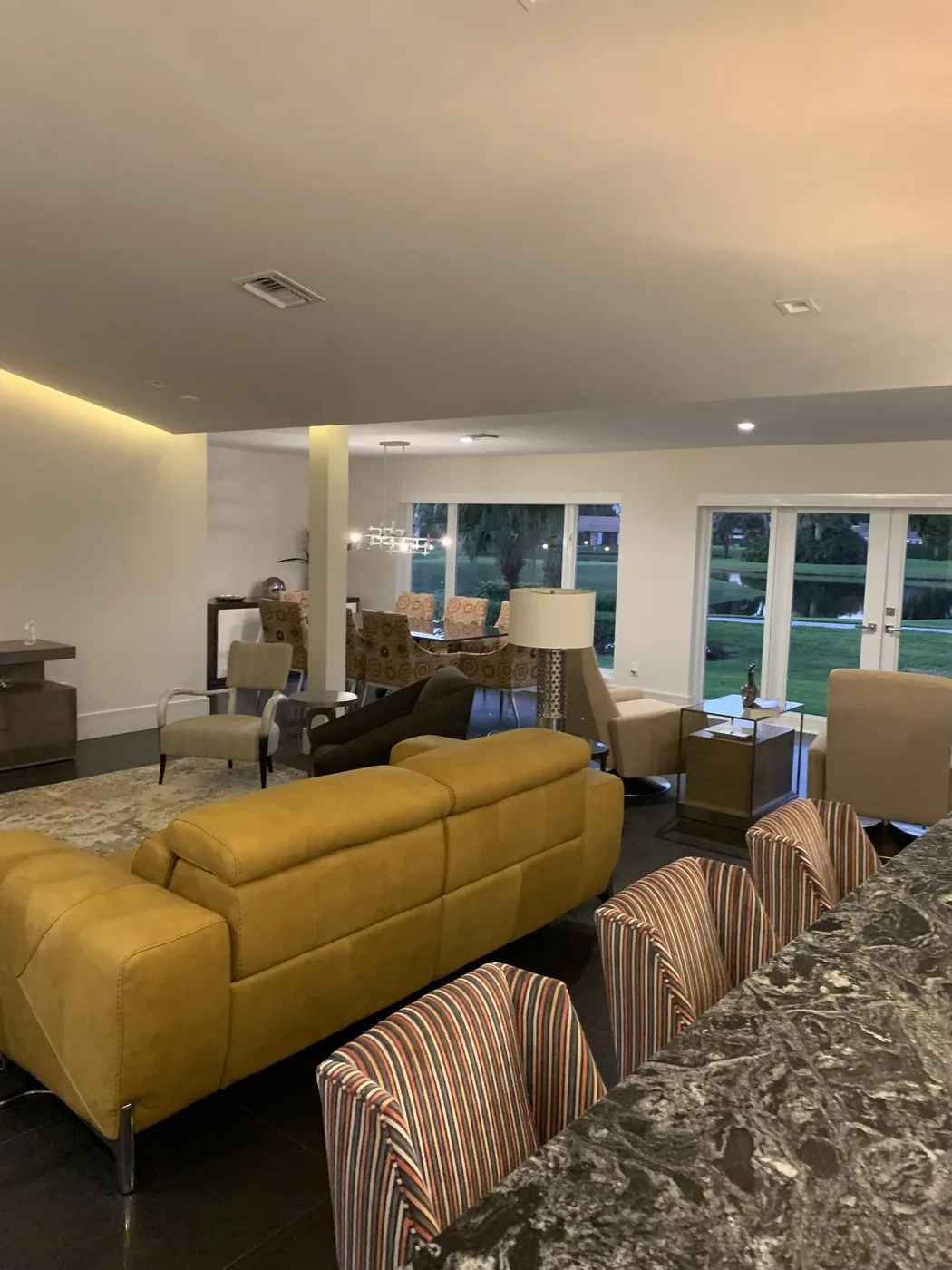
Two structures, side by side
In design-build, one firm takes responsibility for both the design and the construction under a single agreement. You deal with one team from concept drawings through the finished house.
In the general contractor model, you hire an architect, and often an interior designer, to produce the design. A general contractor then prices and builds it. The designer and the builder hold separate agreements with you, and each answers to you.
What design-build offers
The appeal is simplicity. One contract and one point of contact can mean fewer handoffs, and cost feedback can arrive while the design is still easy to change.
The trade-off is independence. The same firm designs the house and prices it, so you have no outside party checking that the design serves you rather than the builder's preferred way of working. Owners who value that check often prefer a separate architect.
What the architect and general contractor model offers
Here the architect works only for you. The drawings belong to the design and can be priced by more than one builder if you wish. For a house where the design is the point, such as a waterfront residence with a view to protect, that independent voice matters.
The weakness is timing. If the contractor joins only after the drawings are finished, cost surprises arrive late. The fix is to bring the contractor in early, during design, which is exactly what preconstruction is for.
When each one fits
Design-build often suits a clearly defined scope, an owner who wants one point of responsibility, and a project where speed of decision matters more than a long design conversation.
The architect-led model often suits a complex site, a historic or neighborhood-sensitive address, a larger addition or a custom home, or an owner who already trusts an architect or designer. Neither structure is better in general. The right one depends on the house and on you.
- Do you already have an architect or designer you want to keep?
- Is the design itself the main goal, or is the scope mostly known?
- How much independent review of cost and design do you want?
- Does the site carry rules that will shape the design early?
How an architect or designer works with a general contractor
A healthy relationship has clear lines. The architect owns the design intent and the drawings. The interior designer owns the finishes and the look of the rooms. The contractor owns means, methods, schedule, coordination of the trades, and the quality of the built work.
In practice the contractor reviews the drawings for buildability, flags conflicts before demolition, prices options so you can decide with facts, and builds what the documents show. When something in the field differs from the plan, the contractor raises it, and the architect or designer decides how to resolve it.
Mike Johnson works inside this arrangement as the general contractor, coordinating architects, designers, engineers, permitting, trades and selections so that each professional can focus on their own responsibility.
What preconstruction does in either structure
Whichever structure you choose, preconstruction is the stage where scope, early budgeting and the major decisions are worked out before construction begins. Our preconstruction guide covers it in detail.
In a design-build firm it happens inside the same team. In the architect model it is a joint effort in which the contractor tests the design against real conditions, real trade input and real lead times while changes are still inexpensive.
Rules for flood zones, historic review and coastal construction can shape the design early. Where a rule might change the plan, ask the city before you design, and ask your architect.
Questions owners ask
Is design-build cheaper than hiring an architect and a general contractor?+
Not necessarily. Cost depends on the scope, the site and the selections. Ask each firm how and when it will give you cost feedback during design.
Can I keep my own interior designer with a general contractor?+
Yes. This is a common arrangement. The designer selects finishes and the contractor coordinates ordering, installation and the trades around those selections.
Who is responsible if the drawings contain an error?+
Responsibility depends on who produced the drawings and on your agreements. Have your attorney review the contracts so each party's role is written down.
When should the contractor join the project?+
Early, ideally while the design is still being developed. Early involvement lets the builder test cost, buildability and lead times before decisions are fixed.